



For decades, standard two-part epoxy was the undisputed king of DIY and professional garage floor makeovers. It was affordable, glossy, and available in kits at every local hardware store. But as homeowners and commercial operators demand longer-lasting performance, the industry has shifted away from single-layer epoxy toward sophisticated multi-tier hybrid systems.
Understanding the chemical advantages of modern polyurea and polyaspartic applications explains why traditional epoxy is being sidelined for heavy-duty garage floor renovations.
The Chemistry of Superior Bonding
The primary vulnerability of traditional epoxy lies in how it interacts with concrete. Epoxy sits as a rigid plastic layer on top of the slab. When the concrete naturally expands and contracts through freezing winters and scorching summers, rigid epoxy cannot flex with it, leading to micro-fissures and eventual peeling.
Modern high-performance installations utilize a multi-layer approach:
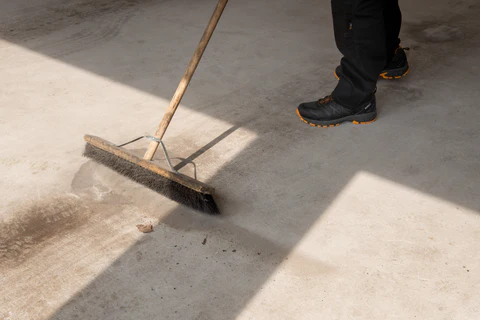
- The Polyurea Basecoat: Applied directly to professionally ground concrete, aromatic polyurea penetrates deep into the pores of the slab. It creates an elastomeric, chemical bond that is substantially more flexible and peel-resistant than conventional epoxy primers.
- The Decorative Chip or Quartz Layer: Broadcast into the wet basecoat, full-chip or colored quartz flakes provide heavy-duty texture, slip resistance, and complete concealment of minor surface imperfections in the underlying concrete.
- The Polyaspartic Topcoat: Acting as the ultimate protective shield, polyaspartic chemistry locks in the color flake matrix. Unlike epoxy, which degrades and ambers into a chalky yellow when exposed to UV light from open garage doors, polyaspartic topcoats remain completely color-stable and glossy for decades.
Real-World Performance Benefits
Upgrading to a professional polyurea-polyaspartic garage floor system delivers distinct operational advantages over older coating methods:
- Immunity to Hot-Tire Pickup: One of the most common failures of DIY epoxy occurs when hot, sticky tires from a driven vehicle cool down on the floor, creating suction and lifting the coating away. Polyurea systems possess the tensile strength and adhesion integrity to withstand hot tires effortlessly.
- Rapid Return to Service: While traditional epoxy requires anywhere from three to seven days of agonizing cure time before you can safely park a vehicle on it, a professional polyaspartic system cures in hours. You can walk on the surface the same day and drive your vehicles back inside within 24 to 48 hours.
- Flexibility Under Heavy Storage: If you plan on anchoring heavy metal storage cabinets, hydraulic lifts, or overhead shelving units to your garage floor, a flexible coating absorbs point loads without cracking or delaminating around anchor bolts.
Investing in a professionally installed layered coating system ensures your garage floor remains as resilient and pristine as the day it was finished, turning a utilitarian workspace into a high-performance asset.