







A wet basement is one of the most common problems homeowners face, especially in areas with heavy rainfall, melting snow, or high groundwater levels. Water infiltration can damage your foundation, encourage mold growth, ruin personal belongings, and reduce the value of your property. Installing a French drain for basement waterproofing is one of the most effective ways to protect your home from moisture-related damage and maintain a dry, healthy basement.
A French drain system is designed to collect excess groundwater and redirect it away from your home’s foundation before it has a chance to enter the basement. When professionally installed, it provides long-term protection against leaks, flooding, and hydrostatic pressure. Whether you are dealing with recurring basement water issues or planning preventive waterproofing, a French drain for basement waterproofing is a smart investment.
What Is a French Drain for Basement Waterproofing?
A French drain for basement waterproofing is an underground drainage system that collects and channels water away from the foundation of a building. It consists of a perforated drainage pipe installed inside a gravel-filled trench and wrapped in filter fabric to prevent soil and debris from clogging the system.
As water builds up around the foundation, it flows through the gravel into the perforated pipe. The water is then safely redirected to a sump pump, storm drain, drainage ditch, or another approved discharge point. This process relieves hydrostatic pressure and helps keep the basement dry throughout the year.
Why Basement Waterproofing Is Important
Your home’s foundation supports the entire structure, making it one of the most important parts of the building. When water accumulates around the foundation, it creates pressure that forces moisture through cracks, joints, and porous concrete surfaces.
Without proper waterproofing, homeowners may experience:
- Basement flooding
- Damp walls and floors
- Mold and mildew growth
- Foundation cracks
- Damage to flooring and drywall
- Poor indoor air quality
- Structural deterioration
- Expensive repair costs
Installing a French drain for basement waterproofing helps eliminate these problems before they become major structural concerns.
How a French Drain Protects Your Basement
A French drain for basement waterproofing works by intercepting groundwater before it reaches your basement walls. Instead of allowing water to build up around the foundation, the drainage system safely carries it away from the home.
This provides several important benefits:
- Reduces hydrostatic pressure on foundation walls
- Prevents basement leaks
- Keeps concrete walls dry
- Minimizes moisture damage
- Protects stored belongings
- Reduces mold and mildew growth
- Improves indoor air quality
- Extends the lifespan of the foundation
By controlling groundwater, a French drain helps create a healthier and more secure living environment.
Types of French Drain Systems
There are different types of French drain for basement waterproofing systems available depending on the condition of the property and the source of water intrusion.
Exterior French Drain
Exterior French drains are installed around the outside perimeter of the home’s foundation. These systems stop groundwater before it reaches basement walls and are considered one of the most effective waterproofing methods.
Interior French Drain
Interior drainage systems are installed beneath the basement floor along the inside perimeter of the foundation. Water entering through walls or floor joints is collected and directed to a sump pump for removal.
Combined Waterproofing System
Many waterproofing professionals recommend combining exterior waterproof membranes with a French drain for basement waterproofing for maximum protection. This integrated approach offers excellent defense against water infiltration.
Signs You Need a French Drain for Basement Waterproofing
Homeowners should not ignore early signs of water intrusion. Addressing drainage problems quickly helps prevent more expensive repairs later.
Common warning signs include:
- Water pooling in the basement
- Musty odors
- Damp basement walls
- Visible mold growth
- White mineral deposits on concrete
- Cracks in foundation walls
- Water stains on floors
- Standing water around the home’s exterior
If you notice any of these symptoms, installing a French drain for basement waterproofing may be the most effective solution.
The Installation Process
Professional installation ensures the drainage system functions efficiently for many years. The process generally involves:
- Conducting a complete property inspection.
- Identifying the source of water intrusion.
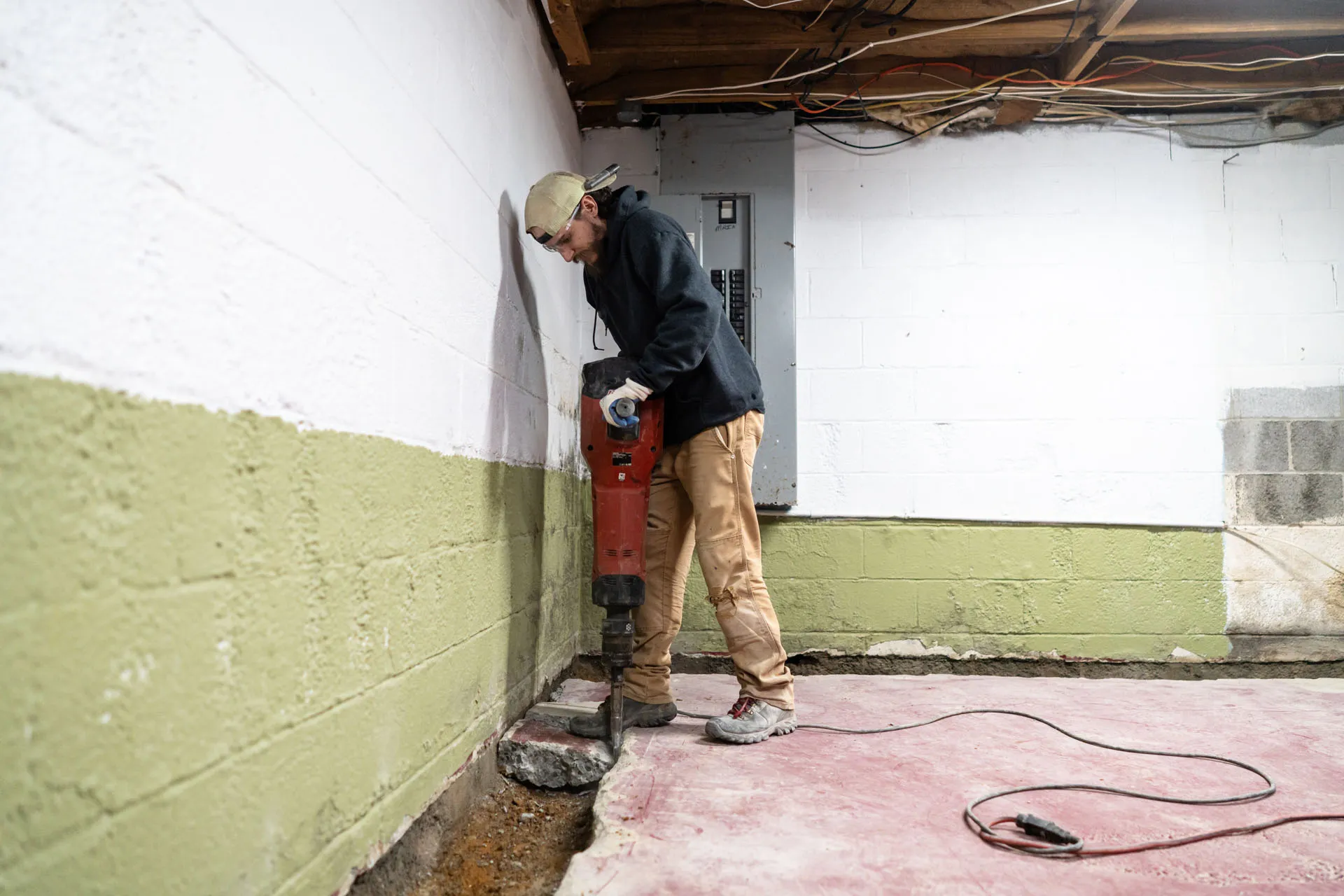
- Excavating a trench around or inside the foundation.
- Installing filter fabric.
- Adding clean drainage gravel.
- Placing perforated drainage pipe.
- Connecting the system to an appropriate drainage outlet or sump pump.
- Restoring landscaping or basement flooring.
Each project is customized based on soil conditions, foundation design, and local drainage requirements.
Benefits of Professional Installation
Hiring experienced waterproofing professionals for your French drain for basement waterproofing project offers several advantages.
Proper Drainage Design
Professionals understand grading, groundwater movement, and soil conditions to ensure effective water management.
High-Quality Materials
Expert contractors use durable drainage pipes, premium filter fabrics, waterproof membranes, and quality gravel that provide long-lasting performance.
Reduced Repair Costs
A professionally installed drainage system prevents expensive foundation repairs and minimizes future maintenance expenses.
Increased Home Value
Homes with professionally waterproofed basements are often more attractive to buyers because they offer greater protection against water damage.
Maintaining Your French Drain System
Although a French drain for basement waterproofing requires relatively little maintenance, regular inspections help ensure optimal performance.
Maintenance recommendations include:
- Clean gutters and downspouts regularly.
- Keep drainage outlets free from debris.
- Test sump pumps periodically.
- Inspect for standing water after heavy rain.
- Schedule professional inspections when needed.
Routine maintenance helps maximize the lifespan of your waterproofing system.
Why Invest in a French Drain for Basement Waterproofing?
Water damage often begins slowly, but the consequences can be significant. Foundation repairs, mold remediation, and basement restoration can cost thousands of dollars. Installing a French drain for basement waterproofing is a proactive solution that protects your investment while providing long-term peace of mind.
A reliable drainage system helps maintain structural stability, improves indoor comfort, and creates a safer environment for your family. It also allows homeowners to fully utilize basement space for storage, recreation, or additional living areas without worrying about moisture problems.
Conclusion
Waterproofing your basement is essential for protecting your home’s foundation and preserving its long-term value. A professionally installed French drain for basement waterproofing offers one of the most effective solutions for managing groundwater, preventing basement flooding, and reducing hydrostatic pressure.
Whether you are experiencing frequent leaks or simply want to prevent future water damage, investing in a French drain for basement waterproofing is a smart decision. With expert installation, quality materials, and regular maintenance, your basement can remain dry, safe, and comfortable for many years while protecting your property from costly moisture-related problems.