







A well-designed outdoor space can significantly improve the appearance, functionality, and overall value of a property. Whether it is a small residential garden or a large commercial landscape, thoughtful planning helps create an environment that is both attractive and practical. Many property owners focus on flowers, trees, and grass when improving their outdoor areas, but structural elements are equally important. Combining natural features with carefully planned outdoor construction can create a balanced and welcoming landscape.For outdoor lighting Greensboro call Summit Landscape Innovations.
One of the first steps in improving an outdoor area is understanding how the available space will be used. Some homeowners want a comfortable place for family gatherings, while others prefer a peaceful garden where they can relax after a busy day. Commercial properties may require attractive walkways, accessible entrances, and organized outdoor seating areas. Identifying these needs early makes it easier to develop a design that suits the property.
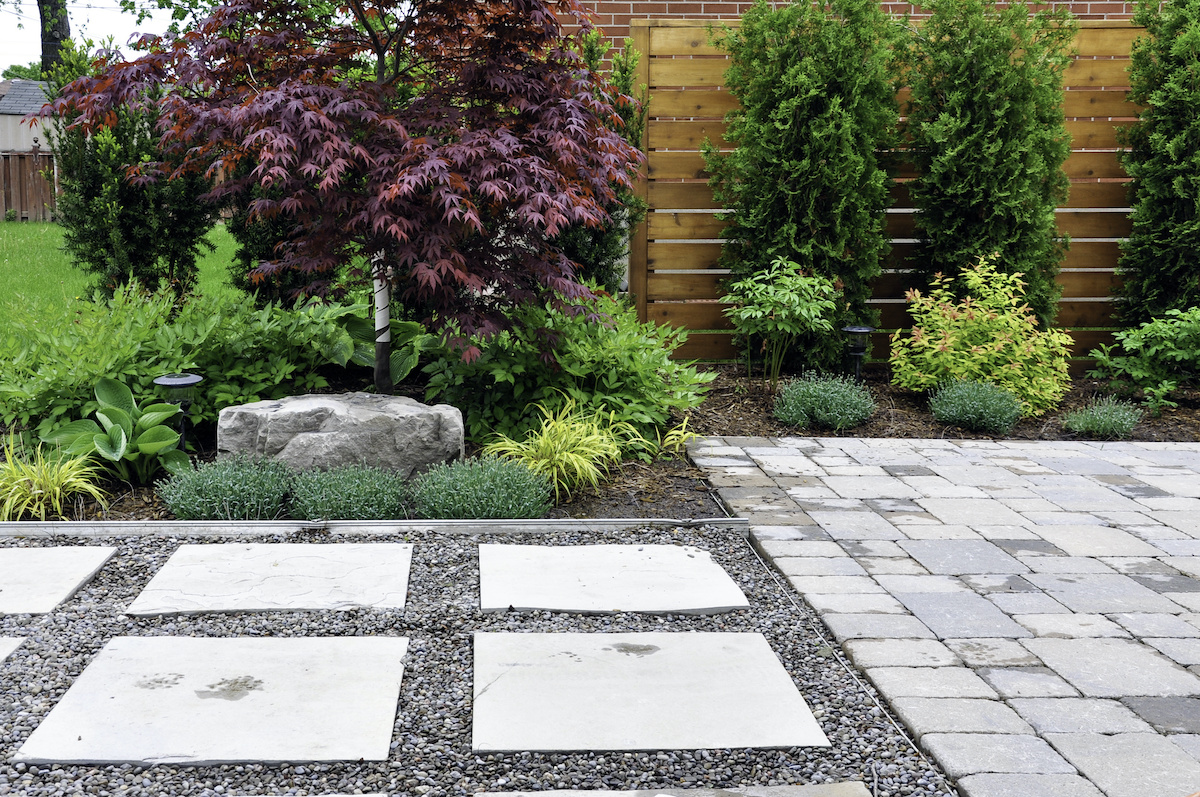
Walkways are among the most useful landscape features. They connect different areas of a property and provide convenient routes through gardens, yards, and outdoor entertainment spaces. Materials such as natural stone, concrete pavers, and decorative gravel can create different visual effects. The choice should depend on the property’s architectural style, expected foot traffic, and maintenance requirements.
Patios and outdoor seating areas can also improve the usability of a backyard. A properly planned patio provides space for outdoor dining, entertaining guests, or enjoying fresh air. Homeowners can enhance these areas with comfortable furniture, lighting, planters, and shade structures. Selecting durable materials is important because outdoor surfaces must withstand changing weather conditions and regular use.
Another important aspect of landscape planning is hardscaping, which involves incorporating permanent structural features such as retaining walls, stone pathways, patios, steps, and decorative borders. These elements add organization and functionality to outdoor environments. When designed carefully, they can complement plants and lawns while creating clearly defined areas for different activities.
Retaining walls are particularly useful for properties with uneven terrain. They can help manage changes in elevation, support soil, and create additional usable space. Depending on the landscape design, retaining walls may be constructed using natural stone, concrete blocks, or other suitable materials. Proper drainage and structural planning are essential because water pressure and soil movement can affect their long-term stability.
Water management should also be considered during outdoor improvement projects. Poor drainage can cause standing water, soil erosion, and damage to nearby structures. Proper grading, drainage channels, and suitable surface materials can help direct water away from important areas. Addressing these issues during the design stage may prevent expensive maintenance problems later.
Lighting is another feature that can improve both safety and appearance. Pathway lights help people move around outdoor areas after sunset, while accent lighting can highlight trees, walls, and architectural details. Soft lighting around patios and seating areas also creates a comfortable atmosphere for evening gatherings.
Material selection deserves careful attention. Natural stone offers a distinctive appearance, while concrete pavers provide flexibility in patterns and designs. Brick can create a traditional look, and decorative gravel may work well in certain garden spaces. Property owners should compare durability, installation requirements, maintenance needs, and overall costs before making decisions.
Regular maintenance helps preserve the appearance of outdoor improvements. Cleaning paved surfaces, checking retaining walls, removing weeds, and inspecting drainage systems can prevent minor problems from becoming serious concerns. Seasonal inspections are especially useful after heavy rainfall or extreme weather.
Ultimately, a successful outdoor design combines beauty with practical functionality. By considering the property’s layout, choosing suitable materials, and incorporating well-planned structural features, homeowners can create outdoor environments that remain useful and attractive for years. Thoughtful improvements can turn an ordinary yard into a comfortable extension of the home while making the entire property more inviting.