







Scientific research depends on accurate observations and repeatable experimental conditions. Whether researchers are studying material properties, chemical reactions, or biological processes, the reliability of their findings depends partly on the quality of their laboratory equipment.
Laboratories must maintain suitable temperatures, controlled environments, and consistent testing procedures. Equipment that performs unpredictably can introduce errors and make it difficult to distinguish genuine experimental results from technical problems.
Developing reliable laboratory systems therefore requires attention to equipment selection, material compatibility, maintenance, and employee training.
Choosing Appropriate Equipment Materials
Laboratory equipment is exposed to different environmental conditions depending on the type of research being conducted. Some experiments involve high temperatures, while others require resistance to chemical exposure or contamination.
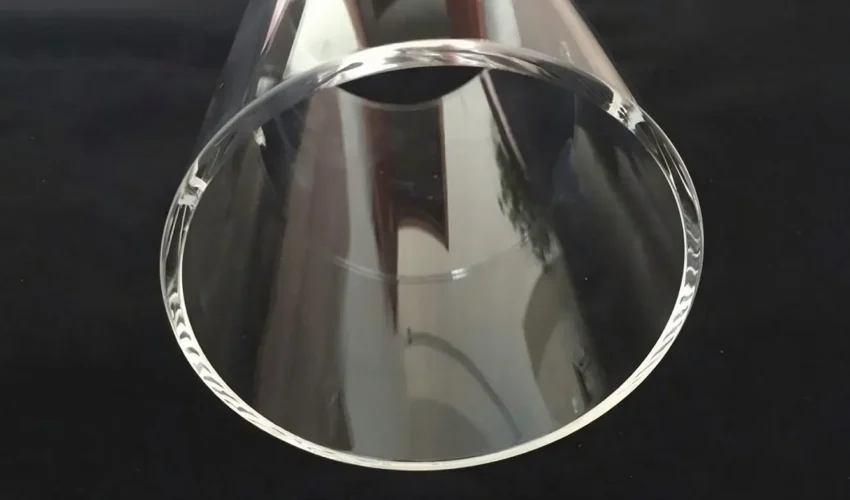
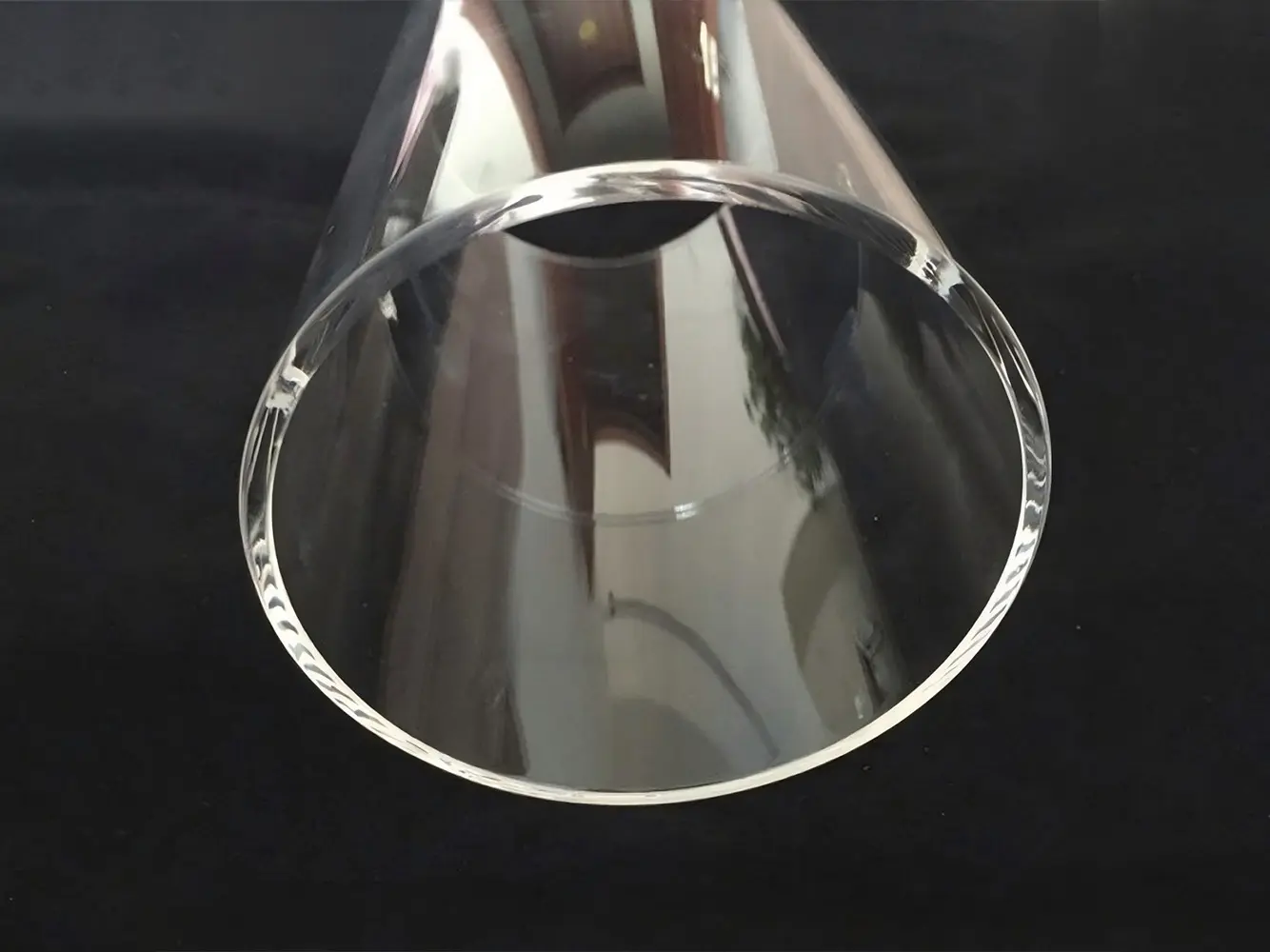
Quartz is widely relevant to specialized laboratory applications because certain forms of quartz glass and fused silica provide useful properties for controlled heating and scientific equipment. Material selection should always depend on the specific experiment rather than general assumptions.
For example, high purity quartz boats Tubes for Laboratory Furnaces can be considered when researchers require suitable components for particular heating applications. Their dimensions, thermal characteristics, and compatibility with the experimental environment should be evaluated before installation.
Researchers should also consider whether equipment surfaces could interact with the samples being investigated. Such interactions may influence the accuracy of experimental results.
Maintaining Controlled Experimental Conditions
Temperature stability is essential in many scientific experiments. A small temperature variation may change reaction rates, material behavior, or measurement results.
Modern laboratories use digital temperature controllers and calibrated sensors to monitor operating conditions. These systems allow researchers to maintain suitable temperature ranges and identify unexpected changes.
Environmental conditions such as humidity, airflow, and atmospheric composition may also influence certain experiments. Laboratory managers should establish procedures for monitoring these factors when they are relevant to the research.
Consistent operating conditions make it easier to compare results across multiple experiments.
Preventing Contamination During Research
Contamination is a significant concern in scientific laboratories. Dust, chemical residues, fingerprints, and unsuitable storage conditions can affect samples and equipment.
Laboratories should establish clear cleaning procedures for instruments, containers, work surfaces, and sample preparation areas.
Employees must understand how to handle sensitive materials without introducing unwanted contaminants. Gloves, appropriate protective equipment, and designated storage arrangements can support cleaner working conditions.
Equipment should also be inspected regularly. Cracks, damaged surfaces, and accumulated residues may create problems that are not immediately visible.
Equipment Maintenance and Calibration
Laboratory instruments require regular maintenance to remain reliable. Temperature sensors, control systems, heating elements, and measuring devices should be checked according to manufacturer recommendations.
Calibration is particularly important for instruments that produce quantitative measurements. An inaccurate sensor can lead researchers to believe that an experiment was conducted under conditions that were never actually achieved.
Maintenance records should include inspection dates, calibration information, identified problems, and replacement activities.
These records help laboratory managers understand equipment history and plan future maintenance.
Supporting Better Research Documentation
Accurate documentation is another essential part of scientific reliability. Researchers should record experimental conditions, equipment settings, material specifications, and observations.
Digital laboratory management systems can simplify recordkeeping and make information easier to retrieve. Standardized documentation also helps different researchers follow the same procedures.
When an experiment produces unexpected results, complete records allow the research team to investigate possible explanations.
Building a Reliable Laboratory Environment
Reliable research requires cooperation between scientists, laboratory technicians, equipment suppliers, and facility managers.
Laboratories should periodically evaluate whether existing equipment meets current research requirements. New experiments may require different temperature ranges, specialized containers, or improved monitoring capabilities.
Investing in appropriate materials, consistent maintenance, and employee training can improve research quality.
Ultimately, scientific progress depends on trustworthy information. Laboratories that maintain controlled conditions and reliable equipment are better prepared to produce repeatable experiments and meaningful research findings.