







A comfortable home depends on more than attractive furniture and modern decorations. Indoor air quality, moisture control, and proper ventilation all contribute to a healthier living environment. When indoor spaces remain damp or poorly ventilated, homeowners may experience unpleasant odors, damaged surfaces, and other maintenance problems. Understanding how moisture moves through a house can help prevent these issues and protect the condition of the property.
Why Indoor Air Quality Matters
People spend a significant amount of time inside their homes, making indoor air quality an important part of everyday comfort. Dust, cooking fumes, cleaning products, and excess humidity can all affect the indoor environment.
Good ventilation helps remove stale air and allows fresh air to circulate. Opening windows when outdoor conditions are suitable, using exhaust fans, and maintaining heating and cooling systems can support better airflow. For Lynchburg mold removal call First Action Systems.
Rooms such as kitchens, bathrooms, basements, and laundry areas often need additional attention because they regularly produce moisture. Without proper ventilation, humidity can accumulate and create conditions that encourage unwanted growth on walls, ceilings, and other surfaces.
Understanding the Causes of Excess Moisture
Moisture can enter a property in several ways. Leaking pipes, damaged roofing, foundation cracks, poor drainage, and condensation are common sources. Even everyday activities such as showering, cooking, and drying clothes indoors can increase humidity.
Small problems may become more serious when they remain unnoticed. For example, a slow plumbing leak behind a cabinet may continue for weeks before visible damage appears. Similarly, condensation around windows can gradually affect nearby paint and building materials.
Homeowners should regularly inspect areas where water may collect. Checking under sinks, around plumbing connections, near windows, and in basement corners can help identify early warning signs.
Recognizing Signs of Indoor Mold Growth
Changes in a home’s appearance or smell may indicate a moisture-related problem. Dark spots on walls, unusual discoloration, peeling paint, damaged wallpaper, and persistent musty odors deserve attention.
Mold can develop on different materials, including drywall, wood, carpets, and ceiling tiles, particularly when these materials remain damp. Finding the source of moisture is essential because cleaning visible spots without correcting the underlying issue may allow the problem to return.
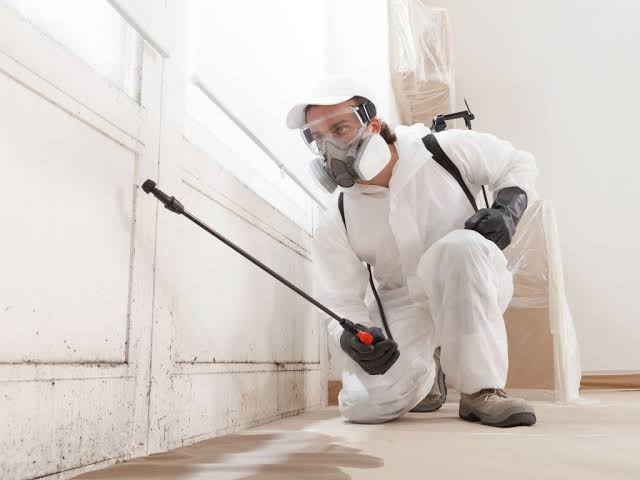
When growth covers a large area, appears repeatedly, or develops after significant water damage, professional assessment is a sensible step. Experienced specialists can help identify affected materials and determine the appropriate approach to mold removal based on the condition of the property.
Improving Ventilation in Different Rooms
Every room has different ventilation requirements. Bathrooms benefit from properly functioning exhaust fans that remove humid air after showers. Kitchens need effective ventilation to manage steam, smoke, and cooking odors.
Basements may require additional humidity control, especially when they have limited natural airflow. Using a dehumidifier can help maintain more comfortable humidity levels, although it should not replace repairs to leaks or drainage problems.
Homeowners should also make sure furniture and storage items do not completely block air circulation near exterior walls. Allowing air to move around these areas can reduce the chance of moisture accumulating in hidden spaces.
Preventing Future Moisture Problems
Prevention is often easier and less expensive than repairing extensive water damage. Regular roof inspections, gutter cleaning, plumbing maintenance, and proper exterior drainage can reduce the chances of water entering a building.
It is also helpful to dry wet areas promptly. After a spill, plumbing leak, or minor flooding incident, affected materials should be addressed quickly. Porous materials that remain wet may require professional evaluation to determine whether they can be safely dried or need replacement.
Keeping indoor humidity at a reasonable level and monitoring areas with a history of moisture problems can further support long-term maintenance.
Creating a More Comfortable Home
A healthy indoor environment requires consistent attention to ventilation, moisture control, and general property maintenance. By identifying leaks early, improving airflow, and responding appropriately to signs of dampness, homeowners can protect their living spaces from avoidable damage. A proactive approach not only supports indoor comfort but also helps preserve the condition and long-term value of a home.