
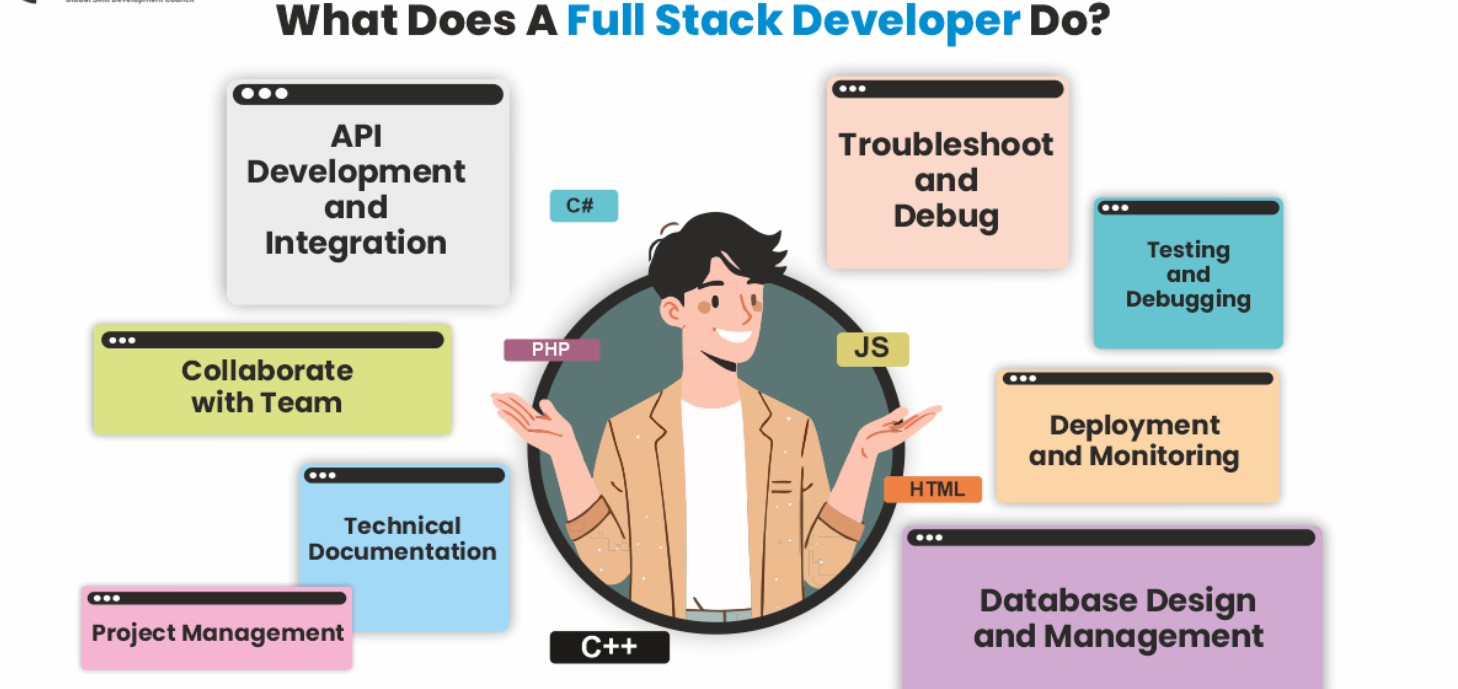
Today, building apps is not just about writing code. Full-stack engineers are also expected to manage how code gets tested, deployed, monitored, and updated. This is where DevOps comes in.
DevOps is a set of modern practices that help developers deliver software faster, with better quality and fewer bugs. It’s about combining development (Dev) and operations (Ops) into one smooth process. When used properly, DevOps helps full-stack teams work faster and smarter.
These practices are now becoming a key part of many full stack developer classes, where students not only learn to build apps, but also how to test, deploy, and manage them in real-world environments.
What Is DevOps?
DevOps is not a single tool or task. It is a way of working. It connects development and operations teams, making sure everyone works together throughout the software lifecycle from coding to deployment to monitoring.
The goal of DevOps is to:
- Speed up development
- Catch bugs early
- Automate boring tasks
- Improve teamwork
- Deliver better user experiences
Instead of handing off code from one team to another (which can lead to delays), DevOps encourages shared responsibility and faster feedback.
Why DevOps Matters for Full-Stack Engineers
A full-stack engineer works on both the frontend and backend of an application. But today, that’s not enough. You also need to know:
- How to deploy your app
- How to monitor it
- How to fix it if something goes wrong
DevOps helps you take control of the entire development process not just writing code, but also managing how it runs in real life.
For example:
- When you push code to GitHub, DevOps tools can test it automatically.
- If the tests pass, the app gets deployed to production.
- If there’s an error, you get an alert and can fix it quickly.
This way of working is faster, safer, and more reliable.
Key DevOps Practices for Full-Stack Engineers
Let’s explore some modern DevOps practices that every full-stack engineer should know:
1. Continuous Integration (CI)
Continuous Integration means automatically testing your code every time you make a change.
Example:
- You write a new feature and push it to GitHub.
- A tool like GitHub Actions or Jenkins runs tests on your code.
- If there’s a problem, it tells you right away.
CI helps catch bugs early, before they get into the live app.
2. Continuous Deployment (CD)
Continuous Deployment means your app gets updated automatically when new code passes all the tests.
This process might:
- Build your app
- Run security checks
- Use it on a server or cloud platform
Tools like GitLab CI/CD, CircleCI, or Vercel make this possible with just a few lines of configuration.
3. Infrastructure as Code (IaC)
Instead of setting up servers manually, DevOps engineers write code to create them.
Tools like Terraform or Pulumi let you define your servers and cloud setup as code. This way:
- Your infrastructure is version-controlled
- You can recreate environments easily
- Mistakes are reduced
4. Monitoring and Alerts
Once your app is live, you need to make sure it’s working properly.
Tools like:
- Prometheus (metrics)
- Grafana (dashboards)
- Sentry or Datadog (error tracking)
These tools help you know when your app is slow, broken, or down so you can fix it fast.
5. Containerization
Instead of running your app directly on a server, you put it in a container.
Containers (like Docker) include everything your app needs to run:
- Code
- Libraries
- Settings
Containers are:
- Easy to move between systems
- Fast to start
- Easy to manage in large projects
Most DevOps teams use Kubernetes to manage containers in production.
Real-World Example
Let’s say you’re building a simple to-do app. Here’s how DevOps might work in your project:
- You write a new feature.
- You push it to GitHub.
- GitHub Actions runs tests automatically.
- The app is built using Docker.
- The image is moved to a container registry.
- Kubernetes deploys the updated app to the cloud.
- Prometheus monitors app performance.
- Sentry reports any user errors.
This whole flow can happen in minutes. And if something breaks, you know exactly where to look.
This level of automation is something many students now experience in a modern full stack developer course, where they are taught to build apps with real-world processes and tools.
Benefits of DevOps for Full-Stack Teams
1. Faster Releases
Deploying updates used to take days or weeks. With DevOps, it can happen several times a day.
2. Fewer Bugs
With automated testing and quick feedback, many bugs are caught before they go live.
3. Happier Teams
When teams don’t wait on each other and get quick feedback, they work better together.
4. Better User Experience
Fast bug fixes and regular updates make your app more reliable and enjoyable for users.
Tools Full-Stack Developers Should Learn
Here’s a list of popular DevOps tools full-stack engineers should know:
| Task | Tool Examples |
| Code Repository | GitHub, GitLab |
| CI/CD | GitHub Actions, Jenkins |
| Containerization | Docker, Podman |
| Orchestration | Kubernetes, Docker Swarm |
| Infrastructure as Code | Terraform, Pulumi |
| Monitoring | Prometheus, Grafana |
| Error Tracking | Sentry, New Relic |
You don’t need to learn all of them at once. Start small maybe with GitHub Actions and Docker then grow from there.
These tools are often introduced in full stack developer classes, where students get hands-on practice and learn to automate common workflows.
Tips for Getting Started with DevOps
If you’re new to DevOps, here are a few easy steps to begin:
1. Use Git and GitHub
Always track your code using version control.
2. Automate Testing
Start with tools like Jest (for JavaScript) or PyTest (for Python). Run tests before deploying.
3. Try CI/CD
Use GitHub Actions or GitLab CI to deploy your app automatically after code changes.
4. Learn Docker
Package your app into a container so it works the same everywhere.
5. Add Monitoring
Use simple tools like LogRocket or Sentry to watch for bugs and performance issues.
DevOps Mindset
More than just tools, DevOps is a mindset:
- Think of deployment as part of coding.
- Share responsibility for uptime and bugs.
- Automate tasks whenever you can.
- Always look for ways to improve the process.
Even simple projects can benefit from DevOps habits. And once you build this way, you won’t want to go back.
Conclusion
Modern DevOps practices help full-stack engineers deliver better software, faster. Whether it’s testing code, deploying updates, or watching for bugs, DevOps tools and workflows save time and reduce stress.
Instead of treating DevOps as “someone else’s job,” today’s full-stack engineers take part in the entire lifecycle from writing code to running it in production. This makes them more valuable, more efficient, and better prepared for real-world work.
That’s why DevOps is now included in many full stack developer course in hyderabad, where students don’t just learn how to code but how to build, ship, and maintain real applications with confidence.
If you’re a full-stack developer looking to improve your skills, learning DevOps is one of the best things you can do. It will make your projects smoother, your apps more reliable, and your workflow faster.
Contact Us:
Name: ExcelR – Full Stack Developer Course in Hyderabad
Address: Unispace Building, 4th-floor Plot No.47 48,49, 2, Street Number 1, Patrika Nagar, Madhapur, Hyderabad, Telangana 500081
Phone: 087924 83183
