
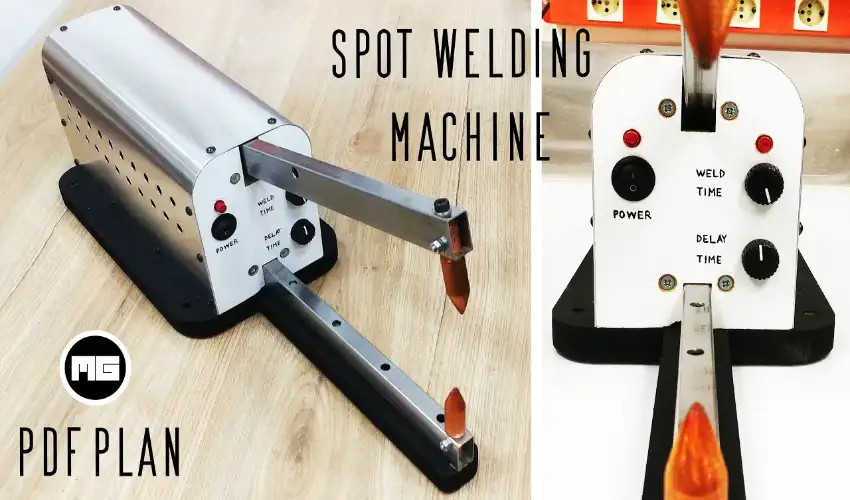
Spot welding has become an essential process in modern metalworking, offering unmatched speed, precision, and efficiency. Whether you are working in automotive repair, manufacturing, or home workshops, understanding the benefits and applications of spot welding machines can transform your metal fabrication projects. In this article, we’ll explore why spot welding machines are indispensable, how they work, and what to look for when choosing the right one for your needs.
What is a Spot Welding Machine?
A spot welding machine is a type of resistance welding equipment that joins metal surfaces together by applying heat generated from electrical resistance. The machine focuses energy on a small “spot” between two metal sheets, melting them and creating a strong, permanent bond. This method is widely used for steel and aluminum sheets, especially in the automotive and aerospace industries.
Unlike traditional welding, spot welding does not require filler materials or complex setups, making it a faster and more efficient option. It ensures uniform welds and reduces the risk of warping or damaging delicate components.
Advantages of Using Spot Welding Machines
- Speed and Efficiency
Spot welding machines are designed for rapid production. The process is almost instantaneous, which makes them ideal for mass production environments. For automotive assembly lines, a spot welder can join multiple components in seconds, saving time and labor costs. - Precision and Accuracy
Modern spot welding machines offer precise control over welding current, pressure, and time. This accuracy ensures consistent weld quality, which is critical for safety and durability in metal structures. - Clean and Minimalistic Welding
Since spot welding requires no additional filler materials, the process is cleaner than other welding methods. There is minimal spatter, reducing the need for post-weld cleaning and finishing. This feature is particularly beneficial in workshops and industrial applications where surface quality is essential. - Versatility
Spot welding machines can handle a range of metal thicknesses and types, including steel, aluminum, and nickel alloys. This versatility makes them suitable for various industries, from automotive repairs to electronic device manufacturing. - Energy Efficiency
Compared to other welding techniques, spot welding uses significantly less energy. The process focuses heat precisely where it is needed, minimizing energy waste and lowering operational costs.
Key Features to Look for in a Spot Welding Machine
When choosing a spot welding machine, it is important to consider several factors to ensure optimal performance:
- Welding Current and Voltage Control: Adjustable current settings allow you to weld different metal types and thicknesses accurately.
- Electrode Material and Shape: High-quality electrodes provide consistent heat distribution and prolong machine life. Copper electrodes are commonly preferred for their excellent conductivity.
- Cooling System: Machines with efficient water or air cooling prevent overheating and extend operational longevity.
- Automation and Programmability: Advanced machines offer programmable welding sequences, which enhance consistency and efficiency for large-scale projects.
- Portability: Depending on your workspace, lightweight and compact designs can improve flexibility and ease of use.
Applications of Spot Welding Machines
Spot welding machines are widely used in various sectors due to their speed and precision. Some of the most common applications include:
- Automotive Industry: Spot welding is essential for assembling car body panels, chassis, and structural components. It ensures strong bonds while maintaining the aesthetic quality of the vehicle.
- Electronics: Small-scale spot welding is used in manufacturing batteries, circuit boards, and other electronic components that require delicate handling.
- Aerospace and Aviation: Precision welding of lightweight metals and alloys ensures structural integrity in airplanes and spacecraft.
- Metal Furniture and Appliances: Spot welding is commonly used in producing metal cabinets, kitchen appliances, and other household items.
Tips for Efficient Spot Welding
- Prepare the Metal Surface: Ensure that the metal sheets are clean, free of rust, paint, and oil for optimal electrical conductivity.
- Use Correct Electrode Pressure: Adjust the electrode pressure according to metal thickness to achieve a strong weld without deformation.
- Monitor Welding Time: Over or under-welding can compromise the bond. Follow manufacturer guidelines for accurate timing.
- Regular Maintenance: Keep electrodes clean and replace worn-out parts to maintain consistent performance.
Conclusion
Spot welding machines are a game-changer for anyone looking to achieve fast, precise, and reliable metal bonds. From automotive repair to large-scale manufacturing, these machines offer efficiency, durability, and clean results. By understanding their features, applications, and operational tips, you can make an informed decision and elevate your metalworking projects.
Investing in a high-quality spot welding machine ensures not only professional results but also long-term reliability and safety in your metal fabrication tasks. Discover the perfect spot welder for your needs and experience the difference in speed, accuracy, and performance today.
