






Septic systems are an essential part of wastewater management for many homes in and around Roanoke, Virginia. While properties connected to municipal sewer systems rely on public infrastructure, many residential and rural properties depend on septic systems to safely treat and dispose of household wastewater. Understanding how these systems work and how to maintain them can help homeowners avoid costly repairs and extend the life of their investment.
Roanoke’s mix of urban neighborhoods, suburban developments, and rural properties makes septic systems a common solution for wastewater treatment. Whether you are building a new home, purchasing a property with an existing septic system, or looking for maintenance tips, learning the basics can help ensure reliable performance for years to come.
If you are looking for septic systems Roanoke call Trent’s Septic & Outdoors.
What Is a Septic System?
A septic system is an underground wastewater treatment system designed to process sewage from homes and small properties. It typically consists of two main components: a septic tank and a drain field.
When wastewater leaves the home, it flows into the septic tank. Inside the tank, solid waste settles to the bottom while oils and grease float to the top. Natural bacteria help break down some of the waste material. The partially treated liquid then flows into the drain field, where it is filtered through soil before returning to the environment.
A properly functioning septic system safely treats wastewater while protecting groundwater and nearby water sources from contamination.
Why Septic Systems Are Common in Roanoke
Many properties throughout the Roanoke area are located beyond the reach of municipal sewer services. In these situations, septic systems provide a practical and cost-effective solution.
Rural homes, farms, and properties with larger lots often use septic systems because they allow homeowners to manage wastewater independently. In many cases, installing a septic system is more affordable than extending public sewer lines to remote locations.
Roanoke’s diverse landscape also means that different properties may require customized septic designs based on soil conditions, slope, and available space.
Types of Septic Systems
Several types of septic systems are used throughout the Roanoke area. The most common is the conventional septic system, which includes a septic tank and a drain field.
For properties with challenging soil conditions or limited space, alternative systems may be recommended. These systems often provide additional treatment before wastewater enters the soil.
The right septic system depends on factors such as household size, daily water usage, lot dimensions, and local regulations. Professional evaluation is important to determine the most suitable option.
Septic System Installation
Installing a septic system involves much more than placing a tank underground. Before installation begins, the property must undergo a site evaluation to determine soil suitability and drainage capacity.
Professionals typically conduct soil testing and analyze factors such as groundwater levels, property boundaries, and terrain. These assessments help ensure the system is properly sized and positioned.
A professionally installed septic system is designed to handle the household’s wastewater needs while complying with local and state requirements. Proper installation can significantly reduce the risk of future problems.
Importance of Routine Maintenance
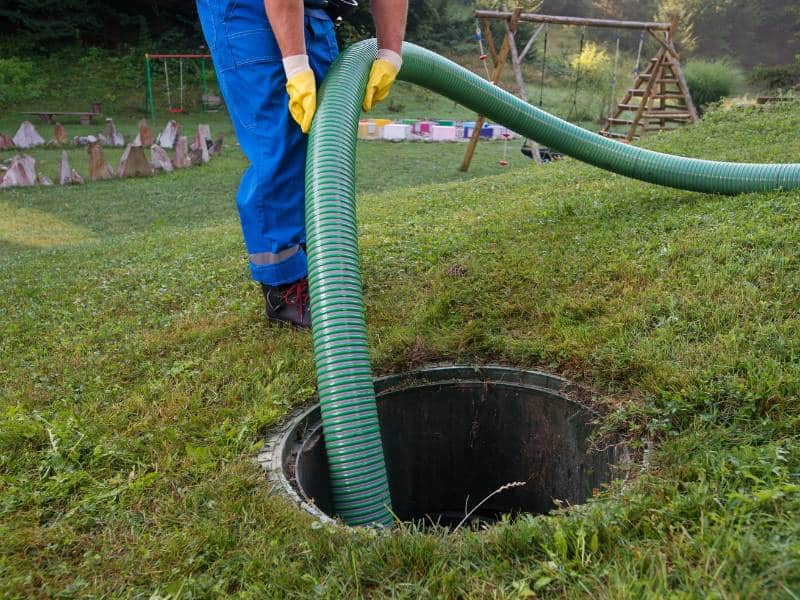
Regular maintenance is the key to keeping a septic system functioning efficiently. Over time, solids accumulate in the septic tank and must be removed through pumping.
Most septic tanks require pumping every three to five years, although the exact schedule depends on factors such as household size, water usage, and tank capacity.
Routine inspections are equally important. A septic professional can identify signs of wear, leaks, or drainage issues before they become major problems. Preventive maintenance is often far less expensive than emergency repairs or system replacement.
Common Septic System Problems
Even well-maintained systems can occasionally experience issues. Homeowners should be aware of common warning signs that may indicate a problem.
Slow-draining sinks, showers, and toilets are often early signs of septic trouble. Unpleasant odors around the property or inside the home can also indicate that the system is not functioning properly.
Standing water or unusually lush grass near the drain field may suggest that wastewater is surfacing instead of being properly absorbed into the soil. Sewage backups inside the home are another serious warning sign that requires immediate attention.
Addressing these issues promptly can help prevent extensive damage and costly repairs.
Tips for Protecting Your Septic System
Proper daily habits can significantly extend the life of a septic system. Homeowners should avoid flushing non-biodegradable materials such as wipes, paper towels, feminine hygiene products, and other items that do not break down easily.
Limiting the use of harsh chemicals is also important. Excessive amounts of bleach, cleaners, and other chemicals can disrupt the beneficial bacteria that help process waste inside the tank.
Water conservation plays a major role in septic health as well. Repairing leaks, using efficient fixtures, and spreading out laundry loads can prevent unnecessary strain on the system.
The drain field should also be protected from heavy vehicles, construction activities, and large structures that could compact the soil or damage underground components.
When to Call a Septic Professional
Certain septic system tasks should always be handled by trained professionals. These include pumping, inspections, repairs, and new installations.
Experienced septic contractors understand local regulations and can accurately diagnose issues. They also have the equipment needed to safely service septic tanks and drain fields.
Attempting major repairs without professional assistance can lead to environmental hazards, property damage, and increased costs.
Choosing a Septic Service Company in Roanoke
When selecting a septic service provider, look for a company with experience, positive customer reviews, and knowledge of local conditions. A reliable contractor should offer inspections, maintenance, pumping, repairs, and installation services.
Working with a trusted local professional ensures that your septic system receives proper care and remains compliant with applicable regulations.
Final Thoughts
Septic systems are a vital component of many homes throughout Roanoke. When properly installed and maintained, they provide reliable wastewater treatment for decades. Understanding how your system works, following recommended maintenance practices, and addressing problems quickly can help protect both your property and the environment.
Whether you need a new septic installation, routine pumping, or professional repairs, investing in proper septic care is one of the best ways to ensure long-term performance and peace of mind.